Essential Components of an Effective SaaS Boilerplate
Essential Components of an Effective SaaS Boilerplate
In the ever-expanding world of Software as a Service (SaaS), the rush to develop a product often leads teams to overlook the importance of a solid foundation. A SaaS boilerplate serves as a template, providing essential components and best practices so that developers can focus on building unique features instead of reinventing the wheel. In this blog post, we will explore the essential components of an effective SaaS boilerplate to help you streamline your development process and achieve business success.
Table of Contents
- 1. Robust Authentication and Authorization
- 2. Multi-Tenancy Support
- 3. Optimize User Management
- 4. Role-Based Access Control
- 5. API Design and Documentation
- 6. Payment Integration
- 7. Responsive UI/UX Design
- 8. Error Handling and Logging
- 9. Version Control
- 10. CI/CD Pipeline
- Conclusion
1. Robust Authentication and Authorization
Every SaaS application must prioritize security, and a strong authentication and authorization system is paramount. This includes implementing OAuth, JWT (JSON Web Tokens), or other modern authentication methods. By ensuring secure login mechanisms and multi-factor authentication (MFA), you can protect sensitive user information and enhance trust in your application.
2. Multi-Tenancy Support
An effective SaaS boilerplate should provide support for multi-tenancy—a critical aspect of SaaS architecture. This allows multiple clients (tenants) to share common infrastructure and application code while keeping their data isolated. Options to consider include:
- Database-Level Multi-Tenancy: Each tenant has its own database.
- Schema-Level Multi-Tenancy: A shared database but separated schemas for each tenant.
- Row-Level Multi-Tenancy: A single shared database with row-level data isolation.
Choose the method that aligns with your scalability needs and complex data requirements.
3. Optimize User Management
User management features should ease the process of onboarding new users, managing their profiles, and handling subscriptions. Built-in functions for user registration, password recovery, and profile editing can drastically reduce initial development time. Additionally, consider offering integration with third-party identity providers such as Google, Facebook, or LinkedIn for social logins.
4. Role-Based Access Control
Not all users need the same level of access. Implementing role-based access control (RBAC) allows you to define various roles (e.g., admin, user, guest) and specify permissions accordingly. This is essential for applications with multiple user types, enabling you to assign different capabilities and functionalities as needed, enhancing data security and user experience.
5. API Design and Documentation
A well-designed API sets the foundation for future integration and scalability. Your SaaS boilerplate should include RESTful API endpoints that follow best practices, such as versioning, proper error handling, and consistent naming conventions. Additionally, comprehensive API documentation (e.g., using tools like Swagger or Postman) will simplify the process for other developers who wish to integrate with your service.
6. Payment Integration
Integrating a payment gateway is crucial for any subscription-based SaaS product. Your boilerplate should provide an easy way to incorporate payment processing solutions like Stripe, PayPal, or Square. Essential components include:
- Support for various payment methods (credit card, ACH, etc.)
- Automated billing and invoicing features
- A dashboard for tracking payments and subscription metrics
7. Responsive UI/UX Design
User experience plays a significant role in the success of your SaaS application. An effective boilerplate should include a responsive UI, ensuring that the application performs well on various devices—desktop, tablet, and mobile. Utilize front-end frameworks like React, Angular, or Vue.js, and adhere to UX best practices to create an intuitive interface that enhances engagement.
8. Error Handling and Logging
A robust error-handling system is essential in providing a seamless user experience. Introduce error logging mechanisms to capture and track errors occurring in your application. Utilizing services such as Sentry or Rollbar can help in monitoring issues, offering insights into application performance, and reducing downtime.
9. Version Control
Version control is vital for maintaining a clean codebase and facilitating collaboration among developers. Integrating Git or other version control systems into your boilerplate eases the process of tracking code changes and managing releases. Encourage the use of branching strategies to manage features, bug fixes, and code reviews efficiently.
10. CI/CD Pipeline
Implementing a Continuous Integration and Continuous Deployment (CI/CD) pipeline automates testing and deployment processes, ultimately speeding up the release cycle. Including CI/CD tools such as Jenkins, CircleCI, or GitHub Actions in your SaaS boilerplate will significantly streamline the development process and reduce the likelihood of bugs reaching production.
Conclusion
Building a SaaS application from scratch can be a challenging endeavor, but an effective boilerplate can ease this process by providing essential components for security, scalability, and user experience. By incorporating robust authentication, multi-tenancy support, user management, and other critical functionalities outlined in this post, you will have a strong foundation for your SaaS product. Remember, a well-structured boilerplate not only accelerates development but also contributes to the long-term success of your project in today’s competitive market. Happy coding!
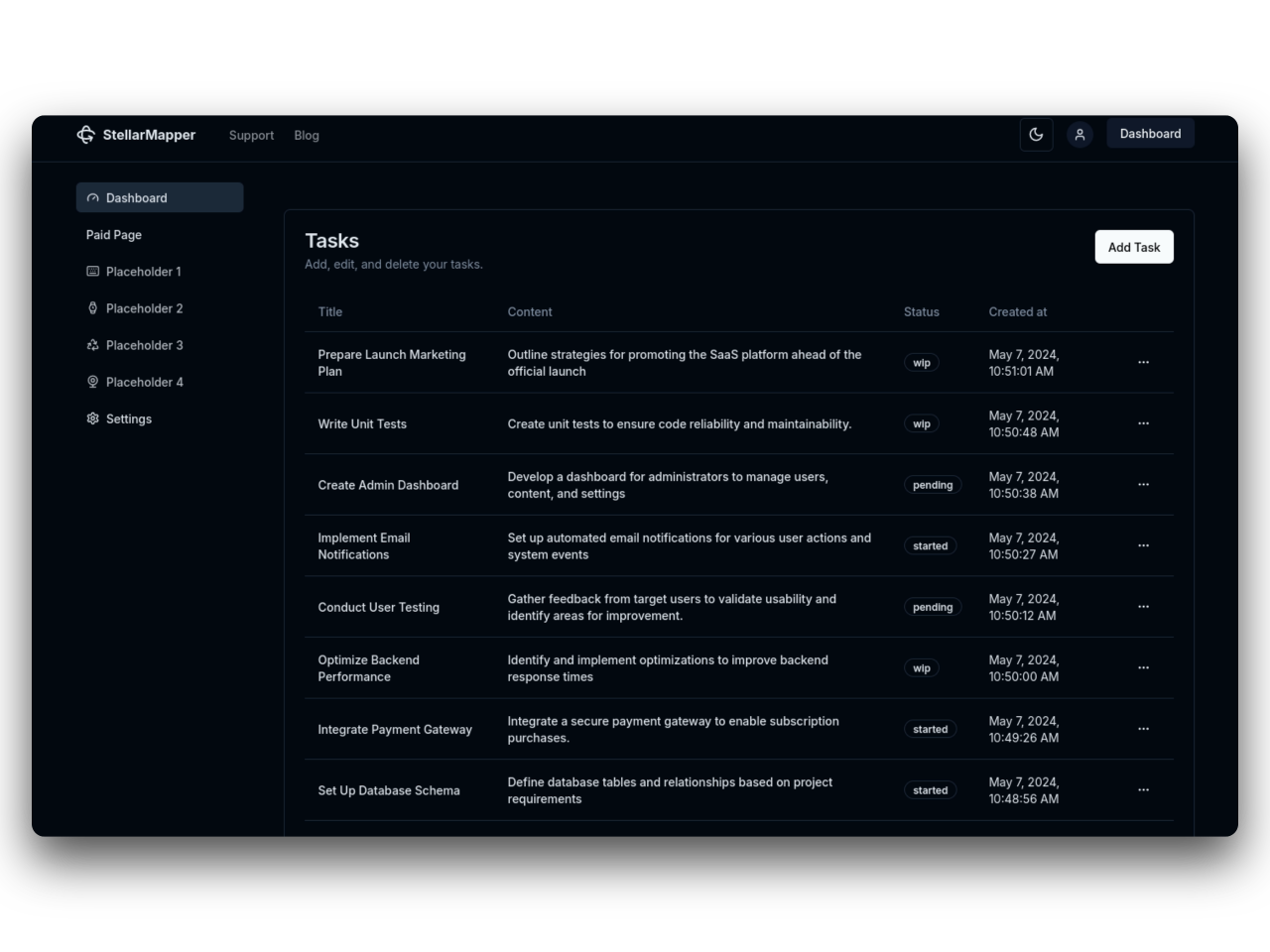
31SaaS
NextJs 14 boilerplate to build sleek and modern SaaS.
Bring your vision to life quickly and efficiently.