Crafting a Seamless Onboarding Experience with Next.js
In today's fast-paced digital world, the onboarding experience for new users is more important than ever. An effective onboarding process not only helps retain users but also sets the tone for their interaction with your application. If you're a developer or a product manager looking to create a smooth onboarding experience, Next.js is a powerful framework that can elevate your application's performance and usability. In this blog post, we’ll explore some key strategies to craft a seamless onboarding experience using Next.js.
Why Onboarding Matters
Onboarding is often the first touchpoint a user has with your product. It is crucial to ensure that this experience is intuitive, informative, and engaging. A well-designed onboarding process has several benefits:
User Retention: A good onboarding experience helps users understand the value of your product, leading to higher retention rates.
User Satisfaction: A seamless experience reduces frustration, leading to increased user satisfaction and positive feedback.
Guided Exploration: Onboarding helps users navigate through your application, ensuring they don’t feel lost or overwhelmed.
Why Choose Next.js
Next.js is a React framework that offers a wealth of features to enhance the development process and enhance user experiences:
Server-Side Rendering (SSR): Next.js provides SSR out of the box, resulting in faster initial page loads and improved SEO performance.
Static Site Generation (SSG): You can pre-render pages at build time, which makes your application more performant.
Routing: Next.js has a file-based routing system, simplifying navigation and allowing for dynamic routes.
Automatic Code Splitting: This ensures that users only load the necessary code required for the specific page they are viewing.
Built-In CSS Support: Next.js supports CSS and Sass right out of the box, enabling developers to style their applications seamlessly.
These features make Next.js an excellent choice for developing a modern, user-friendly onboarding experience.
Key Strategies for a Seamless Onboarding Experience
1. Create a User-Centric Design
The first step in creating a seamless onboarding experience is designing it with the user in mind. Here are some tips:
Keep It Simple: Avoid overwhelming new users with too much information at once. Use progressive disclosure to reveal information gradually.
Use Visuals: Incorporate images, videos, or animations to make the onboarding process more engaging and digestible.
Consistent Branding: Maintain a consistent branding approach in typography, colors, and tone throughout the onboarding flow.
2. Implement User Guidance
Once you've designed your onboarding experience, it's time to guide users through the process. Here’s how to do it effectively:
Interactive Walkthroughs: Use tools like tutorials or tooltips to highlight key features. With Next.js, you can create interactive walkthroughs using React hooks and context APIs to manage the state of each step in the onboarding process.
Progress Indicators: Show users how far they’ve progressed through the onboarding process with a progress bar. This can boost motivation and completion rates.
Help Resources: Provide contextual help, such as tooltips or links to FAQs, ensuring that users can find answers easily.
3. Optimize Performance with Next.js
To ensure a seamless onboarding experience, performance is crucial. With Next.js, you can leverage built-in features to optimize the performance of your onboarding flows.
Lazy Loading: Utilize dynamic imports to load components only when needed, reducing the initial load time and improving performance.
Prefetching: Next.js allows for prefetching routes, so navigating within the app feels instant and fluid. Use
Linkfromnext/linkand take advantage of automatic prefetching.Image Optimization: Use Next.js's built-in
next/imagecomponent to optimize images for faster loading and better performance across devices.
4. Personalization
Personalizing the onboarding experience can help users feel more connected to your application.
User Segmentation: Collect data on user demographics and behavior to segment your users. Create tailored onboarding experiences for these segments for better engagement.
Dynamic Content: Use API calls to fetch personalized content or recommendations during onboarding. Next.js provides an excellent environment for integrating API calls, whether through SSR or SSG.
5. Collect User Feedback
Feedback is vital for improving your onboarding experience. Here’s how to effectively collect it:
Surveys and Forms: At the end of the onboarding process, prompt users to fill out a quick survey regarding their experience.
In-App Feedback: Implement a feedback option directly in your application, enabling users to report issues, provide suggestions, or share their overall experience.
6. Iterate and Improve
Always assume the first version of your onboarding will not be perfect. A/B testing different approaches, analyzing user behavior with analytics tools, and consistently refining your process are crucial steps to ensure your onboarding experience remains effective.
7. Ensure Accessibility
Finally, don’t overlook accessibility. A well-designed onboarding experience caters to all users, including those with disabilities. Here are some best practices:
Semantic HTML: Use semantic HTML elements and ARIA roles to build an accessible interface.
Keyboard Navigation: Ensure that users can navigate your onboarding experience using keyboard shortcuts.
Color Contrast: Maintain sufficient color contrast ratios to ensure readability for visually impaired users.
Conclusion
Crafting a seamless onboarding experience is crucial for user retention and satisfaction. With Next.js, you have a robust framework that equips you with powerful tools to enhance performance and usability. By focusing on user-centric design, personalized experiences, performance optimization, and accessibility, you can create an onboarding experience that sets the stage for long-lasting user relationships.
Remember, the process doesn’t end once your onboarding flow is live. Continuously collect feedback and iterate on the design to refine and improve the experience over time. With commitment—guided by data and user insights—you’ll be able to turn new users into loyal customers. Happy coding!
31SaaS
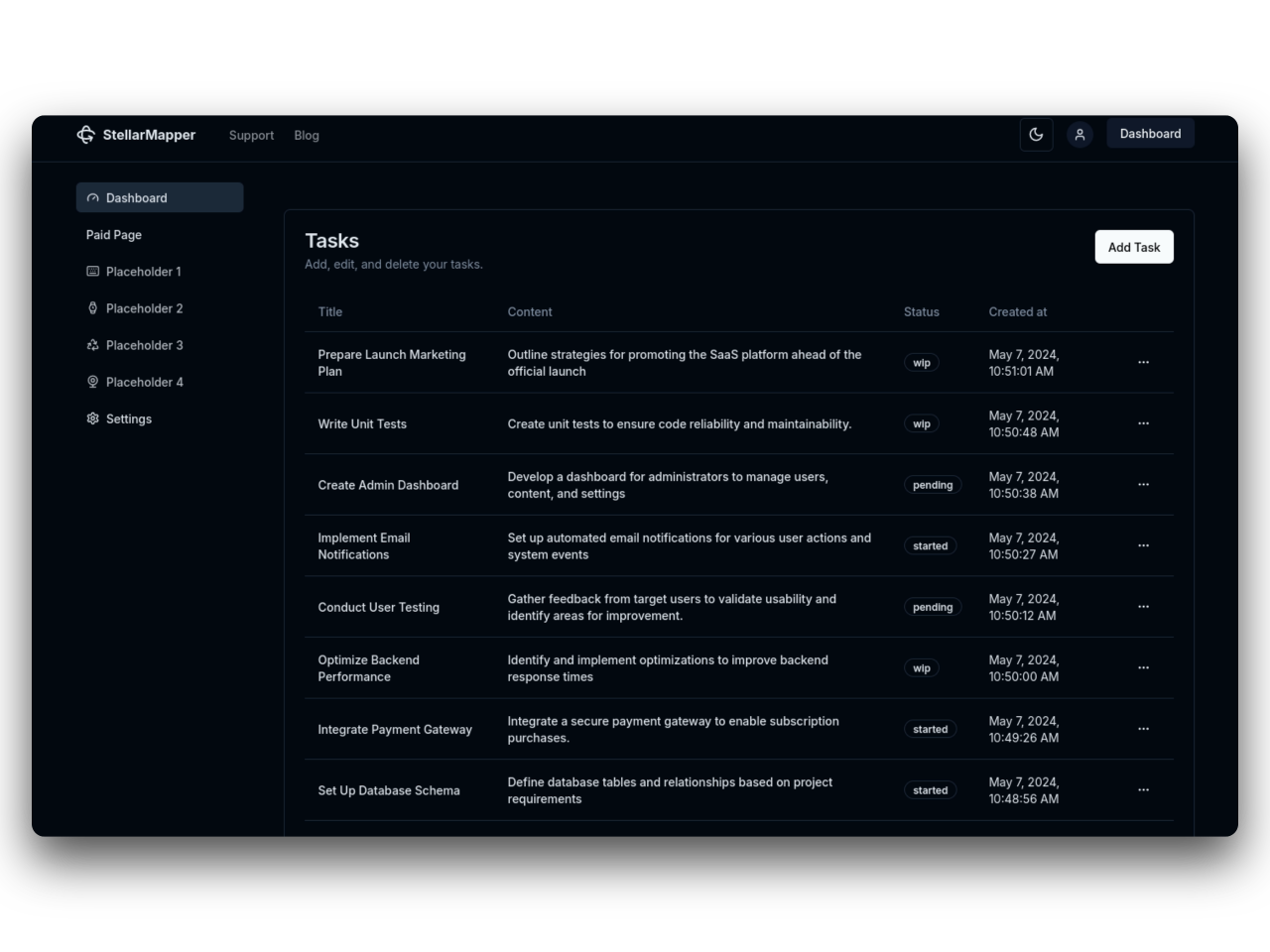
NextJs 14 boilerplate to build sleek and modern SaaS.
Bring your vision to life quickly and efficiently.